Pixel Chuckler: A Whimsical Display Typeface for Creative Branding
I opened a blank brand board last Tuesday, staring at a flat white canvas that needed a personality. The client was a boutique bakery focusing on artisanal cookies, and they wanted something that felt nostalgic yet modern. Most designers reach for standard sans serifs or elegant scripts, but I decided to test Pixel Chuckler, a unique addition to the world of Display Fonts. As I dragged the text onto the logo draft, the pixelated edges immediately injected a sense of playful energy that perfectly matched their cookie-cutter aesthetic. It wasn't just a typeface; it was an instant mood setter.
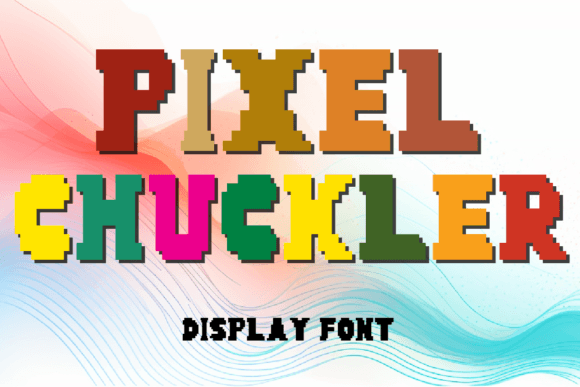
This digital treasure brings 26 capital letters and 10 numbers 0-9, creating a complete set for crafting memorable visual identities. While many pixel fonts feel dated or strictly retro-gaming oriented, this one strikes a balance between whimsy and professional polish. After spending the afternoon testing it across various design assets, from packaging mockups to social media layouts, I found that its charm lies in its versatility within the creative endeavors space. It is not merely a novelty; it is a strategic tool for brands looking to stand out in a crowded marketplace.
Pixel Chuckler as a Logo Font for Bakery Packaging and Handmade Shop Branding
The first time I applied Pixel Chuckler to a product label, the transformation was immediate and striking. In the context of Display Fonts, few typefaces command attention quite like this one when used for short phrases. I designed a mockup for a local coffee shop's branding system, placing the font on a simple kraft paper bag. The blocky, pixelated structure gave the brand a tactile, handmade feel that resonated with customers who value authenticity. Unlike smooth vector fonts that can sometimes look sterile, this font adds texture and character without requiring complex graphic elements.
For businesses selling physical goods, such as skincare products or baked treats, the legibility of Pixel Chuckler remains surprisingly high even at smaller sizes on packaging. The distinct shapes of the capitals ensure that the brand name pops against busy backgrounds. However, I noticed that it works best as a headline or logo element rather than body copy. When I tried to use it for ingredient lists on a sample box, the pixelation became distracting and harder to read. This reinforces its role as a premium display font intended to grab attention quickly. For a creative studio identity or a local restaurant logo system, this font serves as a perfect anchor, suggesting a fun, approachable, and slightly retro vibe that appeals to younger demographics while remaining professional enough for commercial use.
Pixel Chuckler for Social Media Graphics and Website Headers
Moving beyond print, I tested Pixel Chuckler on a series of Instagram posts and a website hero section for a hypothetical creative agency. The pixel art style translates exceptionally well to digital screens, where the crisp edges of the letters mimic the resolution of early computer graphics. In a sea of clean, minimalist designs, this Display Font creates a jarring but delightful contrast that stops the scroll. I placed the text over a gradient background for a webinar announcement, and the retro aesthetic added a layer of depth that standard typography lacked.
The inclusion of numbers 0-9 proved particularly useful for countdown timers and promotional banners. When designing a "Limited Edition" drop for an online shop owner, the bold numerals in Pixel Chuckler created a sense of urgency and excitement. It feels native to the internet culture it references, making it an ideal choice for content creators and bloggers who want to inject personality into their digital presence. Whether used for a YouTube thumbnail title or a blog post header, the font maintains its visual integrity. It acts as a powerful accent font that guides the viewer's eye to the most important information, proving that fonts are not just about reading text but about conveying emotion and tone.
Pixel Chuckler Pairing Strategies for Modern Typography Systems
A common question I encounter when reviewing new typefaces is how they interact with other styles. Pixel Chuckler is so distinctive that pairing it requires a thoughtful approach to maintain visual hierarchy. I found that it pairs beautifully with a clean, neutral sans serif font for supporting text. In a brand board project, I combined the pixelated headlines with a geometric sans serif for body copy, creating a balanced composition that felt both modern and nostalgic. The stark contrast between the chunky, blocky letters and the sleek, smooth lines of the secondary font prevents the design from becoming too chaotic.
For more whimsical projects, such as a children's book cover or a party invitation, pairing it with a handwritten font can enhance the personal touch. However, caution is advised; mixing two highly decorative styles can result in visual noise. The key is to let Pixel Chuckler be the star of the show. With only 26 capital letters and 10 numbers available, the design relies on clever spacing and layout rather than an extensive range of weights or styles. This limitation actually forces designers to be more intentional with their layout decisions, often resulting in cleaner, more impactful designs. It is a reminder that sometimes less is more, especially when working with a font that already carries so much personality.
Practical Testing and Commercial Licensing Considerations
Before committing Pixel Chuckler to a final client deliverable, I recommend running a quick test on your specific hardware and software. While the font renders beautifully on modern high-resolution displays, checking how it appears on lower-resolution prints or mobile screens ensures consistency. I also suggest experimenting with different kerning settings, as the blocky nature of the letters can sometimes create uneven spacing if left on default. For entrepreneurs and small business owners planning to use this Display Font in merchandise or print-on-demand products, verifying the commercial license is crucial. Ensure that the terms allow for use in logos, packaging, and digital marketing materials to avoid legal complications later.
In conclusion, Pixel Chuckler is a versatile and charming addition to any designer's toolkit. Its ability to add a touch of whimsy makes it suitable for a wide range of projects, from boutique identity systems to creative studio branding. By understanding its strengths as a display typeface and respecting its limitations in long-form text, you can leverage this digital treasure to create memorable and engaging visual experiences. Whether you are designing a logo, a poster, or a social media campaign, this font offers a unique opportunity to infuse your work with character and soul.