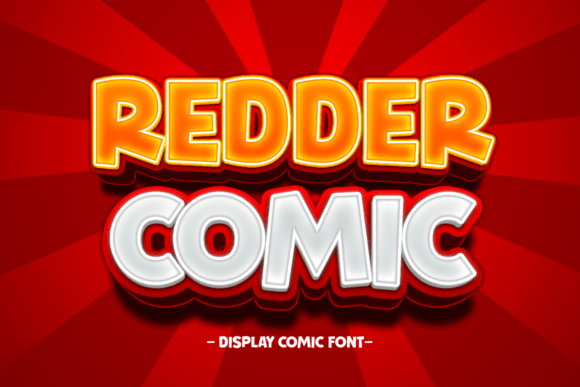
Redder Comic: A Lively Display Font for Editorial Design
I remember the exact moment I realized my digital magazine needed a different voice. It was late on a Tuesday, and I was staring at a clean, corporate sans serif header that felt too stiff for the playful lifestyle content inside. The text was readable, but it lacked the spark that would make readers stop scrolling. That is when I decided to test Redder Comic, a lively and jovial display font that brings comic book charm to any project. With bold strokes and quirky curves, it radiates fun and playfulness, instantly transforming the mood of the page from sterile to spirited.
This review explores how this specific typeface fits into real-world editorial workflows, from redesigning blog headers to creating engaging worksheets. As an editor who values both aesthetics and accessibility, I have tested its performance across various layouts to see if it truly delivers on its promise of character without sacrificing clarity.
Redder Comic for Blog Headers and Website Branding
When I first integrated Redder Comic into my blog's main navigation, the shift in energy was immediate. This Display font excels at capturing attention within the first few seconds of a visit. Unlike generic Fonts that blend into the background, Redder Comic commands the space with its distinctive personality. I used it for the site logo and article titles, pairing it with a neutral serif for the body text to maintain balance.
- The bold strokes ensure visibility even on smaller mobile screens where headlines often get compressed.
- The quirky curves add a human touch that makes the brand feel approachable and friendly.
- It creates a strong visual hierarchy, guiding the reader's eye directly to the most important content.
For lifestyle bloggers or creators building a personal brand, using a font like this helps establish a unique identity. It signals to the audience that the content inside is likely informal, creative, and fun. However, I found it best reserved for large-scale elements rather than small interface components.
Why Redder Comic Works for Digital Magazines
Digital magazines require a delicate balance between modern typography and traditional editorial structure. Redder Comic offers a bridge between these two worlds. When I applied it to pull quotes and section openers in a recent feature story, it broke up dense blocks of text effectively. The font's rhythm mimics the cadence of a conversation, making long-form content feel less daunting.
Its versatility shines when designing cover pages for online publications. The playful nature of the letterforms invites readers to explore further, acting as a visual hook that complements high-quality imagery. By combining this Display font with a clean sans serif for captions, I achieved a layout that felt cohesive yet dynamic.
Redder Comic for Children s Books and Educational Worksheets
The description of Redder Comic notes that it is perfect for comics and children s books, and my testing confirmed this potential. In educational design, engagement is key, and this font delivers exactly that. I experimented with it while designing a printable planner for young students, and the results were delightful. The quirky curves soften the learning experience, making tasks feel more like games than chores.
For authors creating picture books or activity sheets, this typeface provides a distinct narrative voice before a single word is read. It suggests adventure and imagination, which aligns perfectly with the target audience. I paid close attention to legibility during this process, ensuring that the stylized letters remained clear enough for early readers to decode.
- Readability: The open counters and thick strokes make characters easy to distinguish for developing eyes.
- Mood: It sets a joyful tone that encourages interaction with the material.
- Variety: The font supports a range of weights that work well for both large headings and slightly smaller instructional text.
While it is excellent for titles and short phrases, I advise against using it for long paragraphs of instruction. For those sections, a standard serif or sans serif font remains superior for sustained reading. Redder Comic serves best as the "star" of the layout, drawing attention to key concepts and chapter breaks.
Pairing Strategies for Editorial Projects
Selecting the right companion typeface is crucial when working with such a expressive Font. My preferred pairing for Redder Comic involves a classic serif for body copy. The contrast between the playful display font and the structured serif creates a sophisticated yet accessible look. This combination works exceptionally well for recipe ebooks, wedding guides, and coaching workbooks where authority and warmth are both required.
For projects requiring a more modern aesthetic, a geometric sans serif can also provide a clean counterpoint. This ensures that the overall design does not become overwhelming. When designing newsletters or social media graphics, keeping the font usage restrained allows the Display character to shine without cluttering the message.
Redder Comic for Printables and Commercial Products
In the world of digital products, visual appeal drives sales. I reviewed how Redder Comic performs in commercial contexts, specifically for templates sold on marketplaces. The font's charm adds perceived value to downloadable planners, course PDFs, and printable guides. Buyers are often drawn to designs that feel curated and thoughtful, and this typeface contributes significantly to that perception.
Before purchasing or licensing, it is essential to check the included styles and file formats. Most premium Fonts come with multiple weights and alternate characters that expand creative possibilities. For commercial use, verifying the license terms is vital to ensure you can use the design assets in client publications or digital downloads without legal issues.
Ultimately, Redder Comic is a tool for designers who want to inject life into their projects. Whether you are a blogger looking to refresh your header, a publisher designing a children's book, or a creator selling printables, this font offers a reliable way to communicate joy and creativity. Its ability to radiate fun and playfulness makes it a standout choice for any project that aims to connect with an audience on a lighter, more engaging level.