Booky: A Modern Display Typeface for Editorial Design
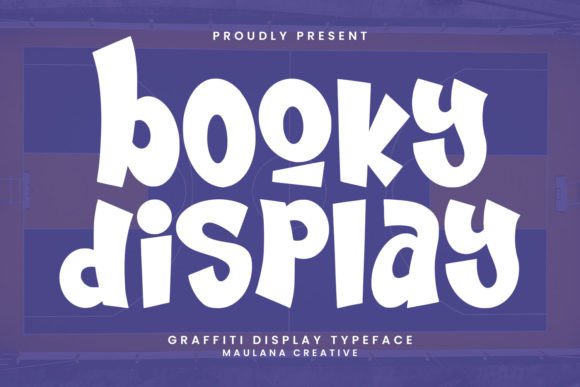
I remember the exact moment I needed a new font for my latest project. It was late afternoon, and I was staring at a blank screen while trying to redesign the header for a lifestyle blog that focuses on mindful living. The content was solid, but the visual identity felt flat and generic. I needed something with personality, a typeface that could command attention without shouting. That is when I discovered Booky, a modern display font with a bold stroke and fun character. As I began testing it in my layout software, I realized this wasn't just another decorative typeface; it was the missing piece that would give my editorial work a distinct rhythm and charm.
Booky for Lifestyle Blog Headers and Digital Magazine Covers
When you are designing a Display font for a high-traffic blog or a digital magazine, the primary goal is to stop the scroll. Booky excels in this environment because its bold stroke creates an immediate visual anchor that draws the eye. In my test layout, I used Booky for the main masthead of a weekly newsletter graphic. The playful charm of the letters made the publication feel approachable and friendly, rather than stiff and corporate. Unlike many heavy fonts that can look aggressive, Booky maintains a sense of whimsy that invites readers to engage with the content immediately. This makes it an ideal choice for editorial design where building a connection with the audience is paramount.
- Visual Impact: The thick strokes ensure visibility even on small mobile screens.
- Mood Setting: Establishes a tone of creativity and modernity instantly.
- Brand Consistency: Provides a unique signature for your publication's identity.
Booky as a Title Typeface for Recipe Ebooks and Cooking Guides
Transitioning from web design to digital products, I decided to apply Booky to the cover of a recipe ebook I was working on. Food content requires a font that feels appetizing and inviting. The versatility of Fonts like Booky allows them to bridge the gap between professional typography and handwritten warmth. When placed over a vibrant food photography background, the font's fun character complemented the imagery perfectly without competing for attention. It acted as a perfect headline, promising a delightful reading experience inside the PDF. For creators selling downloadable guides, using a font with such distinct personality helps the product stand out in a crowded marketplace.
Booky for Wedding Invitations and Elegant Branding Projects
While often associated with casual blogs, the structural integrity of Booky makes it surprisingly effective for more formal yet modern events. I tested the font in a wedding guide layout, pairing it with a delicate serif body text. The contrast between the bold, playful headings and the refined body copy created a sophisticated hierarchy. This combination proved that Booky is not limited to just "fun" applications; it can also serve as a strong foundation for elegant branding. The bold stroke provides the necessary weight to hold up against intricate details often found in invitation suites, ensuring that key information like dates and names remains legible and impactful.
- Contrast Management: Pair Booky with thin serifs for a balanced, high-end look.
- Event Marketing: Ideal for save-the-dates, ceremony programs, and reception signage.
- Luxury Feel: Adds a touch of contemporary flair to traditional layouts.
Booky for Coaching Workbooks and Printable Planners
In the realm of educational materials and self-improvement tools, clarity and motivation are key. I used Booky for the chapter openers and section headers in a coaching workbook designed for entrepreneurs. The font's ability to exude boldness helped emphasize important concepts, making the learning process feel energetic rather than tedious. Because the font is highly versatile, I was able to use it for pull quotes and callout boxes throughout the document. This variety kept the reader engaged and broke up dense blocks of text. For sellers of printable planners, having a font that looks great in both large print and smaller digital formats is essential for maintaining a cohesive brand aesthetic across all pages.
How Booky Enhances Visual Hierarchy and Reader Attention
The true power of any Display font lies in how it organizes information. Booky naturally creates a clear visual hierarchy due to its substantial weight and unique letterforms. When I structured a long-form article, I found that using Booky for subheadings allowed me to guide the reader's eye through the narrative effortlessly. It signals to the user that a new topic is beginning, creating a pause that encourages deeper engagement. This is crucial for retention; when readers can easily scan a page and understand the structure, they are more likely to consume the entire piece. The font's playful nature ensures that even instructional content feels light and enjoyable to read.
Practical Font Pairing Strategies for Editorial Layouts
Selecting the right companion typeface is just as important as choosing the headline font. For most editorial projects involving Booky, I recommend pairing it with a clean sans-serif font for navigation elements or a classic serif font for body copy. In my recent project, I paired Booky with a neutral, geometric sans-serif for the sidebar and captions. This combination allowed the fun character of Booky to shine without overwhelming the text-heavy sections. The balance between the bold display font and the understated body text creates a harmonious reading experience that feels intentional and polished. Always ensure that the secondary font has enough x-height and openness to maintain readability alongside the heavier Booky weights.
Technical Considerations for Commercial Use and Licensing
Before finalizing any design, it is vital to verify the technical specifications of the font files. Booky comes with a range of styles and alternates that offer significant flexibility for different design needs. When preparing assets for commercial use, such as paid newsletters or client publications, checking the included ligatures and multilingual support is essential. These features allow for smoother text rendering and broader audience reach. Additionally, understanding the commercial font licensing terms ensures that you are protected when using the typeface in digital downloads, templates, or physical merchandise. By taking these practical steps, designers can confidently integrate Booky into their workflow, knowing that the tool supports both their creative vision and legal requirements.
Ultimately, finding the right typeface is about more than just aesthetics; it is about setting the mood for your story. Whether you are crafting a newsletter graphic, a course PDF, or a full editorial feature page, Booky offers the bold stroke and fun character needed to make your content memorable. Its adaptability across various platforms proves that it is more than just a font—it is a design asset that elevates the quality of your work. As you move forward with your next publishing project, consider how this modern display font can transform your layout from ordinary to extraordinary.